 Mycelia Monastery
The Chemical Cage: When Anxiety Medicine Becomes the Problem
Jessica had been taking Xanax for three years. Her doctor prescribed it for panic attacks. It worked perfectly at first. Within 20 minutes of taking a pill, the crushing chest pressure would fade. She could breathe again. She could function.
Then one day, she ran out two days early. By hour 12, her hands were shaking. By hour 24, she couldn’t form coherent thoughts. By hour 36, she was in the emergency room convinced she was dying.
The ER doctor explained what was happening: her brain had become dependent on the medication. The anxiety she was experiencing wasn’t her original panic disorder. It was withdrawal. Her nervous system had been chemically altered, and now it was screaming for the drug it had learned to need.
“I was an individual consumed by hopelessness, brokenness, and severe depression. I needed to break out of my ‘safe’ bubble at home, but every time I tried to stop, the anxiety came back ten times stronger. I felt like I was losing my mind.”
This is the paradox of benzodiazepines. Prescribed to solve anxiety, panic, and insomnia, they eventually create the very problems they were meant to fix. Understanding this isn’t about blame. It’s about recognizing what you’re actually facing so you can heal safely.
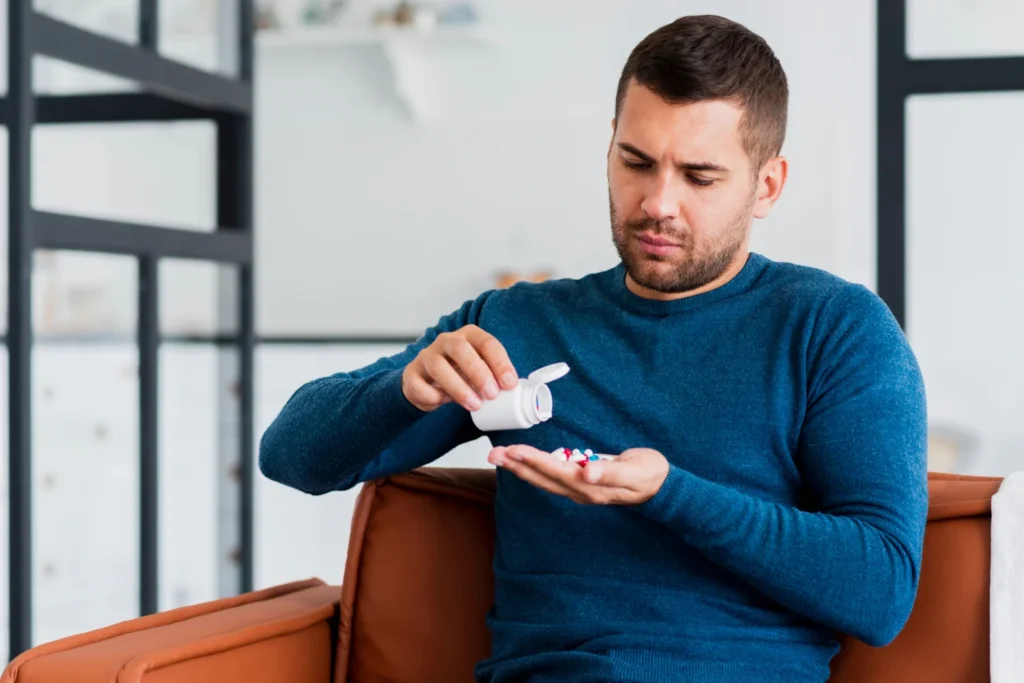
What Makes Benzos Different (And More Dangerous)
Benzodiazepines include Xanax (alprazolam), Klonopin (clonazepam), Ativan (lorazepam), and Valium (diazepam). They work by enhancing GABA, your brain’s main calming neurotransmitter. This makes them incredibly effective for short-term anxiety relief.
The problem is what happens with long-term use. Your brain adapts to the constant presence of the drug by downregulating its own GABA receptors. Essentially, your brain turns down its natural calming system because the medication is doing that job. When you try to stop, your brain no longer has enough GABA activity to function normally. The result isn’t just discomfort. It can be medically dangerous.
According to the American Society of Addiction Medicine, sudden cessation of benzodiazepines creates a medical emergency risk. Unlike opioid withdrawal, which feels terrible but rarely kills you, benzo withdrawal can cause seizures that are life threatening. This makes the difference between safe, medically supervised tapering and trying to quit on your own literally a matter of survival.
The rebound effect makes everything worse than it was before you started the medication. Your original anxiety was a 6 out of 10. Withdrawal anxiety hits 10 out of 10 with added symptoms you never had before: tremors, confusion, hypersensitivity to light and sound, depersonalization, and intrusive thoughts.
Our research shows a 98% increase in serious adverse events when benzos are combined with opioids or alcohol. If you’re using multiple substances, your recovery requires even more specialized medical attention.
The Two Paths: Rapid Detox vs. The Ashton Method
When you decide to get off benzodiazepines, you face a critical choice about speed. The medical community has learned through decades of patient suffering that faster isn’t better with benzos.
Rapid detox programs typically last 7 to 10 days. They get the drug out of your system quickly, often using other medications to manage acute symptoms. The problem is what happens after you leave. Many people experience protracted withdrawal symptoms that last months or even years. The brain simply didn’t have time to adapt.
The Ashton Method represents the gold standard for safe benzodiazepine withdrawal. Developed by Professor Heather Ashton after decades of clinical work, it recognizes that your brain needs time to heal. The approach works in three phases.
First, the switch. If you’re taking a short-acting benzodiazepine like Xanax or Ativan, you transition to a longer-acting one like Valium. This provides more stable blood levels and makes the taper smoother. Short-acting benzos create peaks and valleys that make withdrawal symptoms worse.
Second, the slow reduction. The dose gets reduced by no more than 10% every two weeks. This allows your GABA receptors time to gradually upregulate, rebuilding your brain’s natural calming capacity. The taper speed follows your symptoms, not an insurance company’s calendar.
Third, patient-led control. You work with your medical team, but you have a voice in how fast or slow the process goes. Some people need to pause the taper when life stress increases. Others can move slightly faster during stable periods. The key is honoring what your nervous system can handle.
“The medical staff is here 24/7… it gives you a sense of comfort. They help you detox and recover peacefully. They took the time to really help me see things from a new perspective rather than just forcing me off the meds.”
This is what quality benzodiazepine treatment looks like. Medical supervision, but not medical force. Support through the process, not just handing you a taper schedule and wishing you luck.
Protecting Your Career While Tapering
For high-functioning people, the biggest fear about benzodiazepine treatment isn’t the medical process. It’s the practical question: how do I do this while keeping my job?
The American Society of Addiction Medicine treatment levels offer flexibility. Level 2.1 intensive outpatient and Level 1 standard outpatient both allow you to continue working while your brain heals, provided you have proper medical supervision.
Career-safe tapering means evening therapy sessions that don’t conflict with work hours. Telehealth check-ins with your physician for dose adjustments. Case management support for navigating workplace accommodations if needed. The ability to maintain your professional life while your nervous system recovers.
Federal protections exist to help you. The Family and Medical Leave Act covers substance use disorder treatment. The Americans with Disabilities Act requires reasonable accommodations. Many employers offer short-term disability that can provide income protection during intensive treatment phases.
“My Case Manager put me at ease, helping me through the process of obtaining State Disability through my job… she made sure my life outside the facility was taken care of.”
This kind of support makes the difference between attempting recovery and actually achieving it. Your job gives you structure, purpose, and financial stability. Quality treatment programs understand this and work around it rather than forcing you to choose.

The Brain Fog Battle: What’s Actually Happening
Long-term benzodiazepine use creates what many people describe as living in a mental haze. Thoughts move slowly. Memory becomes unreliable. Decision-making feels impossible. You know something is wrong, but you can’t quite articulate what.
This isn’t psychological. It’s neurological. Benzodiazepines suppress activity in your prefrontal cortex, the part of your brain responsible for executive function, planning, and emotional regulation. Over time, this area essentially goes dim.
The good news is that with proper tapering and neurological support, this fog lifts. The brain has remarkable capacity to heal when given the right conditions. But it needs time and sometimes needs help.
Transcranial Magnetic Stimulation (TMS) uses magnetic fields to stimulate specific brain regions. For people recovering from benzodiazepines, TMS can help jumpstart the prefrontal cortex, accelerating the return of mental clarity.
“My biggest take away would be doing TMS. If you have the opportunity, I would say take advantage of it. I have seen tremendous improvements when it comes to my depression and the brain fog that wouldn’t go away.”
Not every program offers TMS, but for people struggling with persistent cognitive symptoms, it can make a significant difference. Other neurological tools like neurofeedback also show promise in helping the brain relearn healthy patterns.
The Gut-Brain Connection: Why Your Stomach Matters
One of the least discussed but most distressing aspects of benzodiazepine withdrawal is gastrointestinal distress. Patients describe it as “benzo belly,” a constellation of symptoms including nausea, cramping, bloating, and digestive dysfunction.
This happens because GABA receptors aren’t just in your brain. They’re concentrated throughout your gut. When those receptors downregulate, your entire digestive system feels the impact. The gut-brain axis means that GI distress often triggers anxiety, which triggers more GI distress, creating a vicious cycle.
Nutritional support becomes essential during recovery. Magnesium helps calm the hyperexcited nervous system that withdrawal creates. Amino acids provide the building blocks for neurotransmitter repair. Microbiome restoration helps your gut regain its ability to produce serotonin naturally, since about 90% of your body’s serotonin actually comes from your gut.
Quality treatment programs address this directly rather than dismissing it as a minor side effect. Nutritional expertise, GI protocols, and sometimes working with gastroenterologists make the withdrawal process significantly more tolerable.
The Return to Sanity: What Recovery Actually Feels Like
The ultimate victory in benzodiazepine recovery isn’t just being off the medication. It’s the moment you realize your mind has returned. The fog has lifted. Your thoughts are clear again. You can focus, remember, plan, and engage with life in ways that felt impossible for months or years.
“I left with a toolbox of life skills to help keep me sober. Thank you ALL AGAIN for helping me get back to sanity. I can finally focus on my job and be there for my kids without the chemical fog.”
This return to cognitive sanity doesn’t happen overnight. For most people, it’s a gradual process over weeks and months. You might have good days and bad days, especially in the early stages. But the trajectory is upward. Each week, you regain a little more of yourself.
The anxiety that drove you to benzos in the first place often still needs attention. Quality programs address the underlying condition alongside the medication dependence. Cognitive behavioral therapy for insomnia (CBT-I) teaches sleep skills without pills. Exposure therapy addresses panic and phobias. Mindfulness practices build tolerance for anxiety without numbing it chemically.
The 7-Point Benzodiazepine Treatment Checklist
Before selecting a treatment program, ensure they meet these critical criteria. Not all addiction programs understand the unique requirements of benzodiazepine recovery.
First, verify their tapering protocol. Do they follow the Ashton Method or some version of it, with slow, gradual dose reductions? Or do they use rapid 7-day detox that often leads to protracted withdrawal? This single question tells you whether they understand benzodiazepine pharmacology.
Second, ask about neurological tools. Do they offer on-site Transcranial Magnetic Stimulation or neurofeedback? While not essential, these can significantly speed cognitive recovery for people with persistent brain fog.
Third, confirm nutritional expertise. Is there a specific protocol for managing GI symptoms and supporting neurotransmitter repair? Do they work with nutritionists who understand the gut-brain axis in benzo recovery?
Fourth, ensure work-life integration. Can the taper be managed via telehealth or intensive outpatient programs that protect your career? Do they offer evening sessions for working professionals?
Fifth, look for dual diagnosis treatment. Do they address the original anxiety disorder, panic, or insomnia that led to the prescription? Recovery means treating the underlying condition, not just stopping the medication.
Sixth, confirm seizure safety. Is there 24/7 medical monitoring during the initial transition period when seizure risk is highest? What’s their emergency protocol if someone shows warning signs?
Seventh, ask about financial support. Do they help with FMLA paperwork or disability documentation if needed? Can case managers assist with insurance authorization for the longer treatment timeline benzos require?
“My Case Manager put me at ease, helping me through the process of obtaining State Disability through my job… she made sure my life outside the facility was taken care of.”

What Different Benzos Require
Not all benzodiazepines are the same. Your specific medication determines your tapering strategy.
Xanax (alprazolam) is one of the shortest-acting benzos. It hits hard and fast, which is why it works so well for panic attacks. It also creates the most difficult withdrawal. Most programs switch Xanax users to Valium before starting the taper because Valium’s longer half-life provides stability.
Klonopin (clonazepam) has a medium duration. Some people can taper directly from Klonopin, while others benefit from switching to Valium. The decision depends on how long you’ve been taking it and at what dose.
Ativan (lorazepam) is short-acting like Xanax. Similar to Xanax, most people do better switching to Valium first, then tapering from there.
Valium (diazepam) is the gold standard for tapering. Its long half-life means more stable blood levels and gentler transitions. When programs talk about “Valium equivalency,” they mean calculating how much Valium equals your current benzo dose, then tapering from there.
The time frame for safe tapering varies dramatically based on how long you’ve been taking benzos and at what dose. Someone who took Xanax for six months might complete a taper in 8 to 12 weeks. Someone who took Klonopin for five years might need 12 to 18 months or longer. There’s no one-size-fits-all timeline.
The Protracted Withdrawal Reality
Some people experience protracted withdrawal syndrome, where symptoms persist for months after the medication is completely stopped. This isn’t everyone, but it happens often enough that you should know about it.
Protracted symptoms are usually milder than acute withdrawal but more frustrating because they linger. Common ones include waves of anxiety, sleep disturbances, muscle tension, sensitivity to stress, and cognitive difficulties. The good news is that these gradually improve. The brain continues healing for a year or more after the last dose.
Support during this phase is critical. Many people assume they should be “fine” once they’re off the medication, then feel discouraged when symptoms persist. Understanding that protracted withdrawal is a known phenomenon, not a personal failure, helps you stay the course.
Ongoing therapy, support groups specific to benzodiazepine recovery, and sometimes temporary use of non-addictive medications for specific symptoms can all help during this extended healing phase.
When Benzos Weren’t the Only Substance
If you’ve been using benzodiazepines alongside alcohol, opioids, or other substances, your recovery becomes more complex but still absolutely possible.
The combination of benzos and alcohol is particularly dangerous because both work on GABA receptors. Withdrawal from both simultaneously can be life-threatening. Medical detox becomes non-negotiable, not optional. Programs experienced in polysubstance dependence know how to safely manage this.
Benzos and opioids together increase overdose risk dramatically. If you’re taking both, comprehensive treatment needs to address both dependencies. This might mean medication-assisted treatment for the opioid dependence while simultaneously tapering the benzodiazepine.
The key is finding a program that doesn’t use a one-size-fits-all approach. Your specific combination of substances requires an individualized plan with medical expertise in managing complex withdrawal.

Life After Benzos: Managing Anxiety Without Pills
The question that terrifies most people about stopping benzodiazepines: how will I manage my anxiety without them?
The honest answer is that it takes time to learn new skills, but those skills actually work better long-term than pills did. Benzos provide immediate relief but don’t teach your brain anything. Therapy teaches your brain new responses that become automatic over time.
Cognitive behavioral therapy specifically targets the thought patterns that fuel anxiety. Exposure therapy gradually builds tolerance for anxiety-provoking situations. Acceptance and commitment therapy helps you function even when anxiety is present rather than requiring it to disappear first.
For insomnia, CBT-I (cognitive behavioral therapy for insomnia) shows better long-term results than any medication. It retrains your sleep system through specific behavioral changes. Most people see significant improvement within 6 to 8 weeks.
Physical practices matter too. Regular exercise regulates the nervous system more effectively than any pill. Yoga and meditation aren’t just trendy wellness practices. They create measurable changes in brain activity and stress hormone levels. Breathing techniques activate the parasympathetic nervous system, creating instant calm without chemicals.
The skills feel awkward at first, like learning any new ability. But with practice, they become second nature. Six months after stopping benzos, many people report better anxiety management than they ever had on medication because they’ve actually addressed the underlying patterns.
The Mycelia Monastery Difference
We understand that benzodiazepine recovery requires specialized knowledge and patience. Our approach includes finding treatment programs that follow proven protocols, not just general addiction programs that might not understand benzo pharmacology.
Treatment placement focuses on programs using the Ashton Method or similar gradual tapering. Medical supervision throughout the process, not just at the beginning. Access to neurological support tools when needed for persistent symptoms.
Continuity of care extends well beyond initial tapering. We help coordinate ongoing therapy for underlying anxiety disorders. Connect you with benzo-specific support groups where people understand the unique challenges. Provide crisis support when protracted withdrawal symptoms feel overwhelming.
Career protection services ensure you don’t have to choose between recovery and livelihood. Case managers who understand FMLA and disability processes. Telehealth options that allow treatment around work schedules. Connection to programs offering evening intensive outpatient for working professionals.
Root cause healing addresses why anxiety or insomnia developed in the first place. Trauma-informed therapy for people whose symptoms stem from unresolved trauma. Sleep science for people whose insomnia predated the benzo prescription. Stress management for people whose lifestyle creates chronic anxiety.
Immediate Resources for Help Right Now
If you need help today, these resources can provide immediate support.
SAMHSA National Helpline at 1-800-662-HELP (4357) operates 24/7 with free, confidential support. They can help you find specialized benzodiazepine treatment programs and answer questions about safe tapering.
Crisis Lifeline by calling or texting 988 connects you immediately with trained counselors. If withdrawal symptoms become overwhelming or you’re having thoughts of self-harm, reach out right now.
ASAM Patient Resources at findtreatment.gov allows you to search specifically for programs with benzodiazepine expertise. Filter by location, insurance accepted, and treatment approach.
Mycelia Monastery offers free consultations where we help you understand your options, connect you with programs using safe tapering protocols, and provide ongoing support throughout your recovery. No cost, no obligation, no judgment.
Frequently Asked Questions
How long does benzodiazepine withdrawal take?
It varies dramatically based on which benzo, how long you’ve taken it, and at what dose. Safe tapering can take anywhere from 8 weeks to 18 months or longer. Rushing this process often leads to protracted withdrawal that’s worse than taking the extra time.
Can I die from benzo withdrawal?
Yes, which is why medical supervision is essential. Seizures from abrupt cessation can be life-threatening. This makes benzodiazepine withdrawal different from opioid withdrawal and requires specialized medical management.
Will my anxiety be worse after I stop?
Initially, yes, because of withdrawal. But with proper tapering and anxiety treatment, most people find their anxiety becomes more manageable than it was on benzos. The medication often stops working effectively long before people stop taking it.
Can I taper at home or do I need residential treatment?
Many people successfully taper at home with proper medical supervision, regular check-ins, and support systems. Residential treatment becomes necessary if you have complex medical issues, polysubstance dependence, or lack of stable housing.
What about switching to CBD or other supplements?
Some supplements may help with symptoms, but never substitute supplements for proper medical tapering. CBD, magnesium, and amino acids can support recovery but don’t replace the need for gradual dose reduction under medical supervision.